
Angola bets on Africa's mining future
What the International Conference on Mines 2025 has left us with
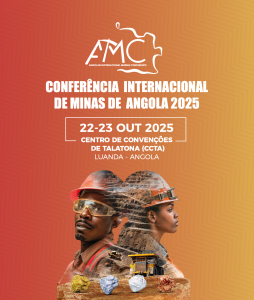
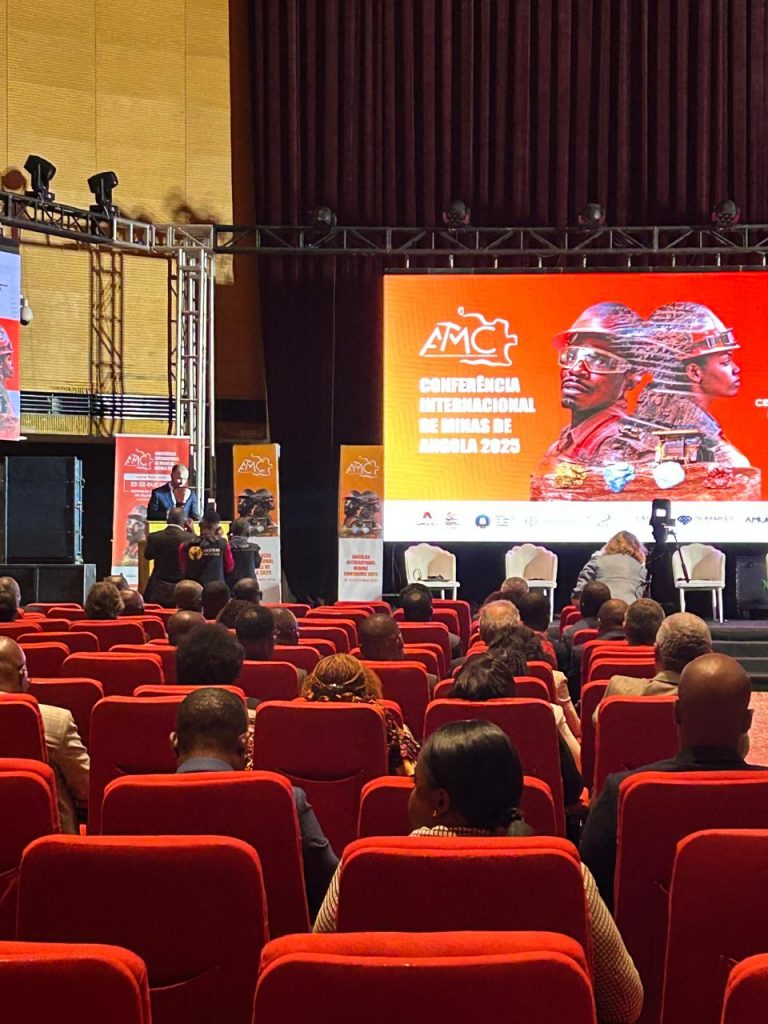
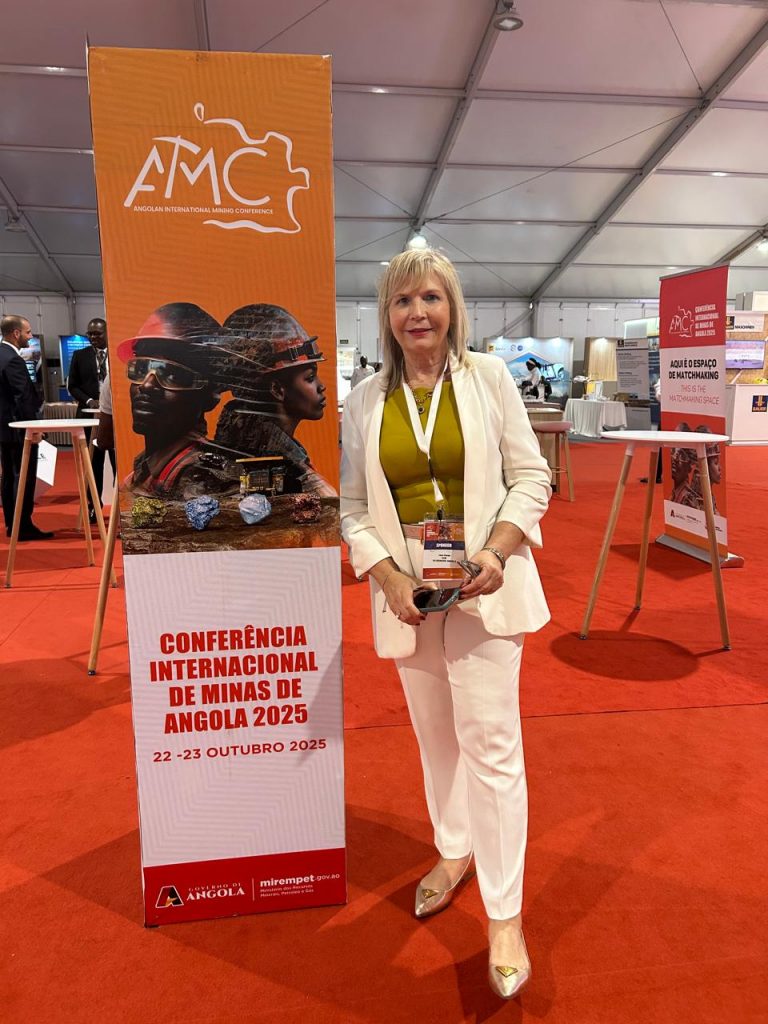
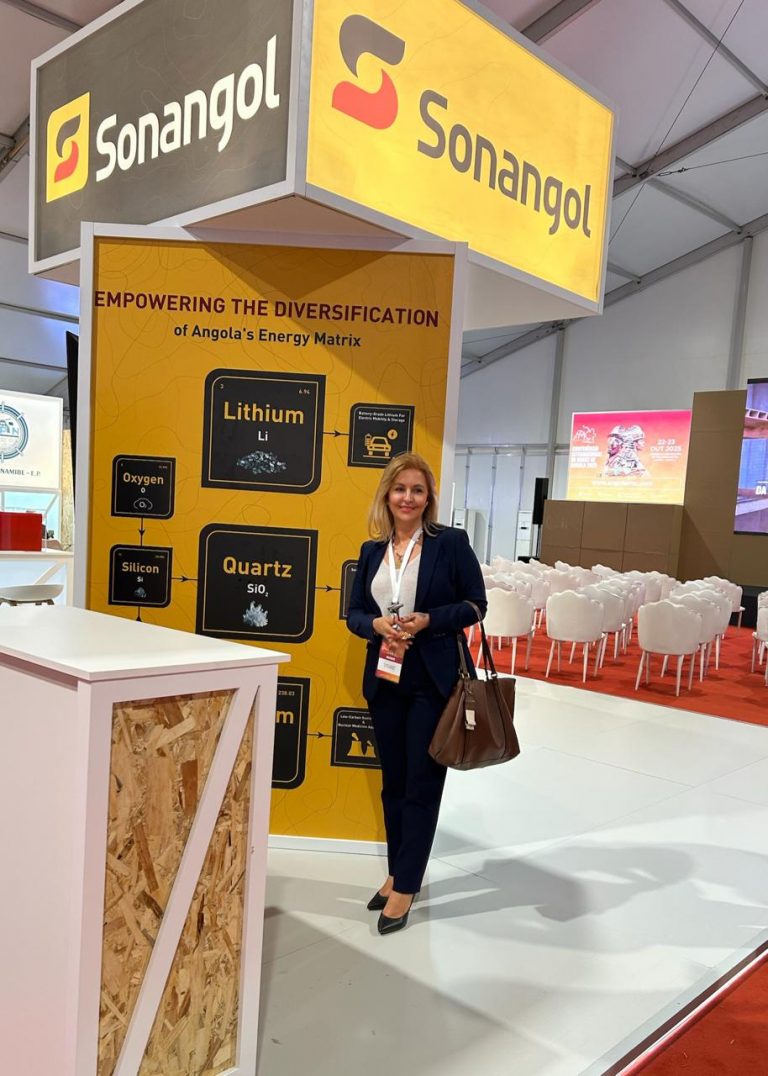
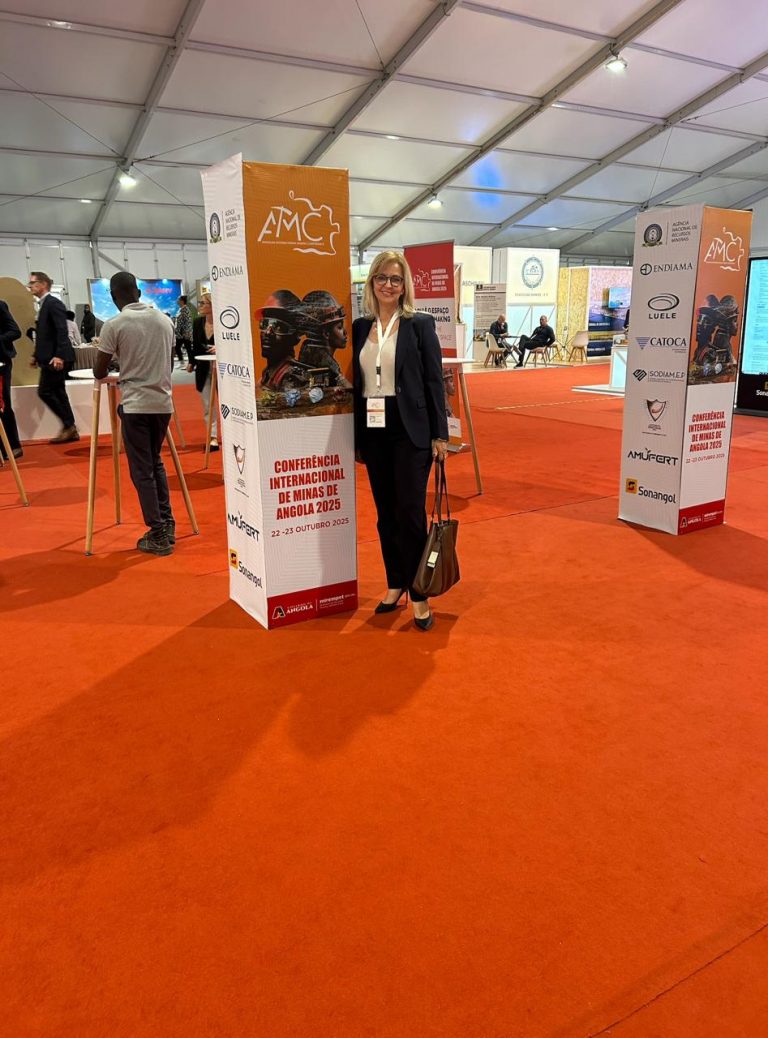
From October 22-23, Luanda becomes the epicenter of African mining dialogue with the Angola International Mining Conference 2025 (AIMC). The event, organized by the Ministry of Mineral Resources, Oil and Gas (MIREMPET), brings together industry leaders, governments, investors and global experts.
More than 500 delegates will participate in strategic discussions on innovation, sustainability, governance, energy transition and investment opportunities on the continent.
A major focus of IACM 2025 is to highlight Angola's role as a mining investment hub, supported by regulatory reforms, public-private partnerships and a long-term vision defined in the Angola 2050 national plan.
Technology, efficiency and digitalization: keys to a more responsible mining industry
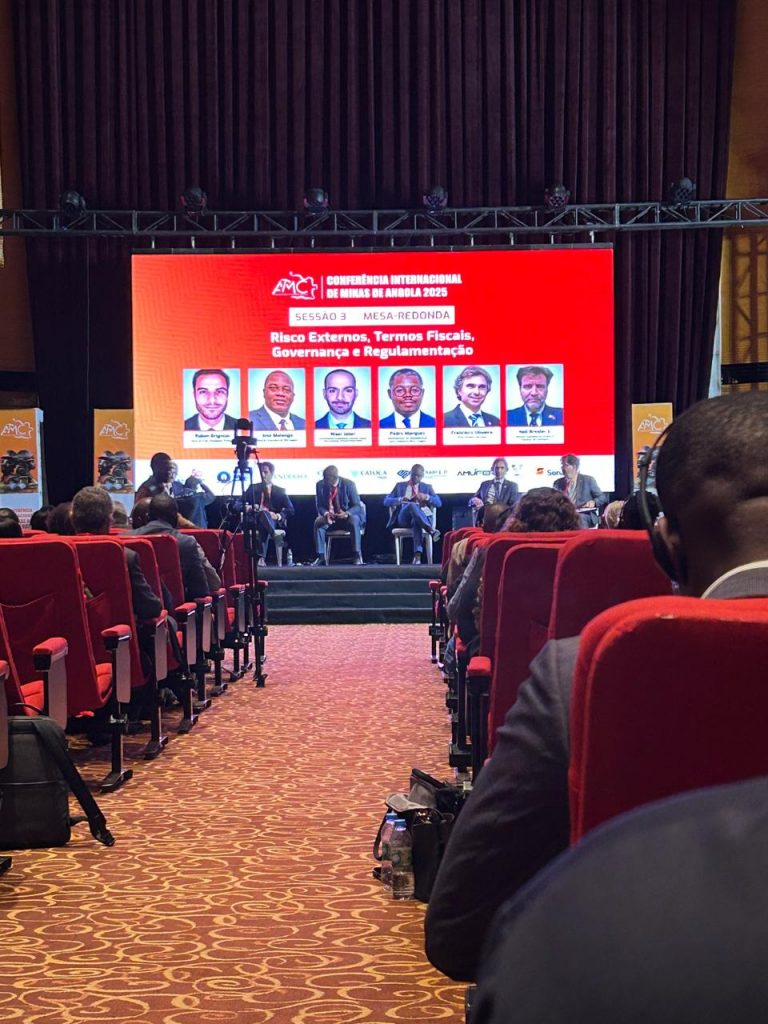
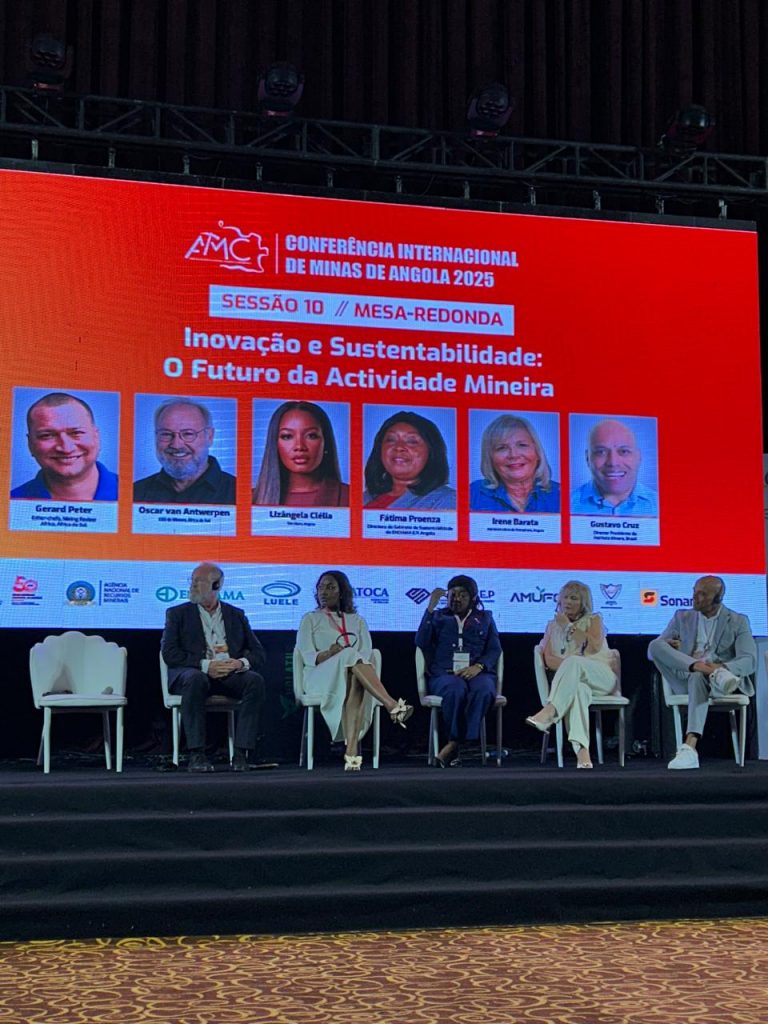
In this context, the round table "Digital Transformation: the role of technology in mining efficiency, safety and productivity" was held, an essential space to discuss the use of intelligent solutions in mining.
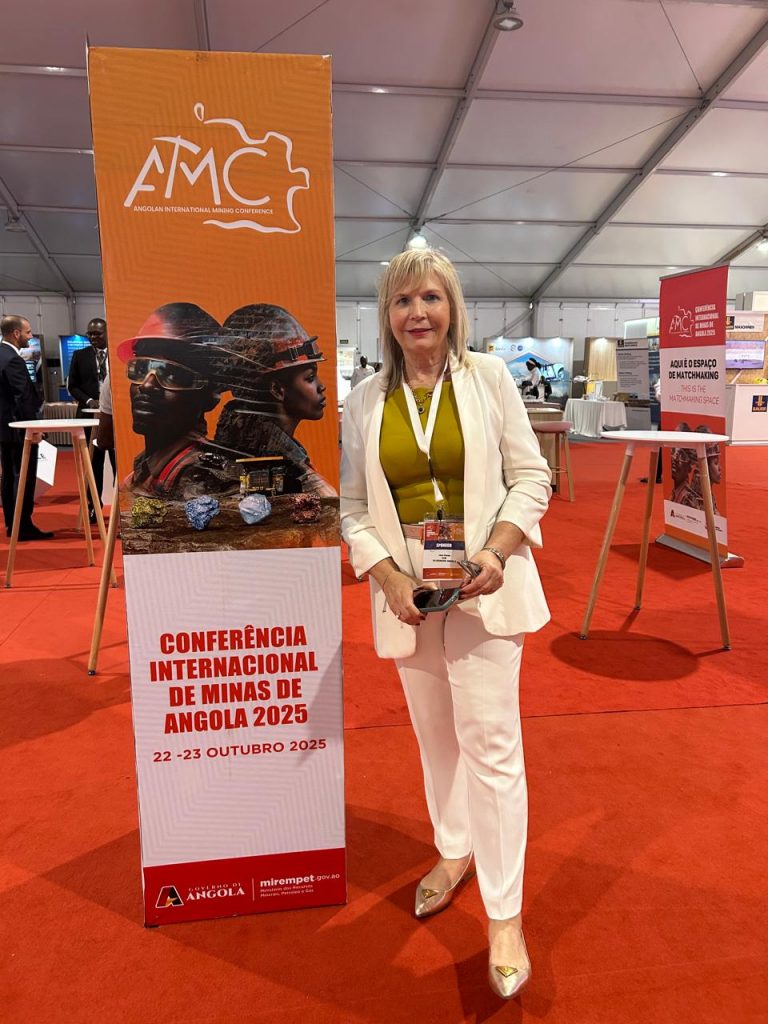
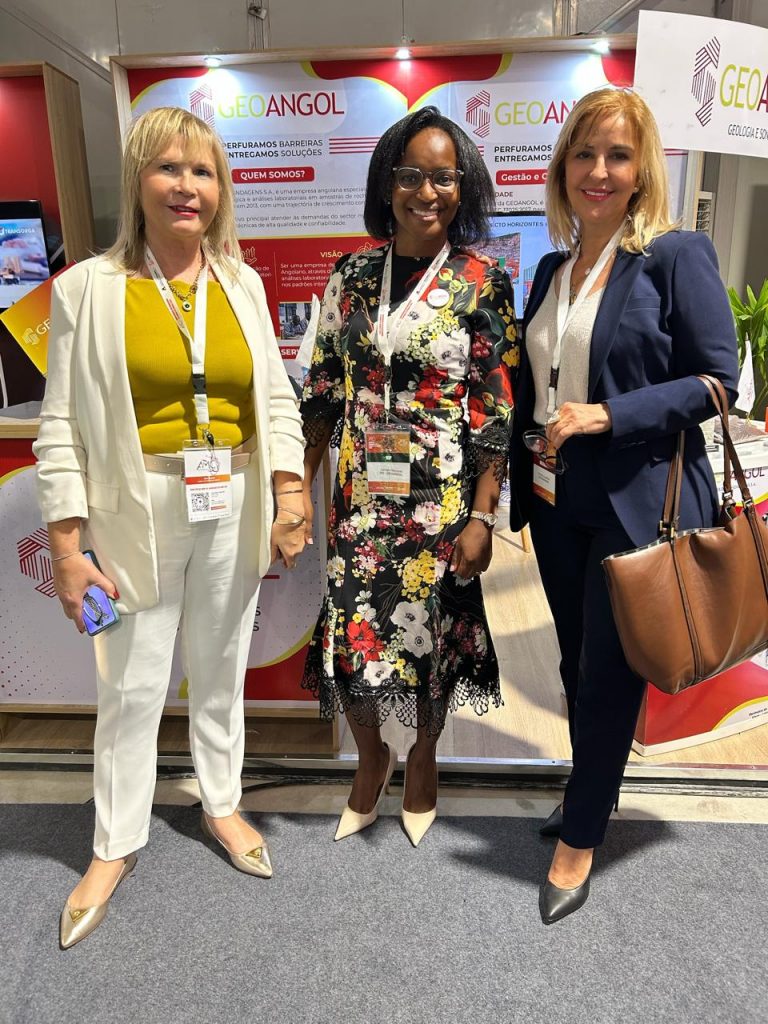
Among the participants, Dr. Irene Barata, recently appointed CEO of Petroshore, provided a vision aligned with regulatory compliance, technological integration and operational sustainability.
Their participation reinforces the Angolan private sector's commitment to building a more efficient and responsible mining industry that is connected to the local environment.
The voice of technical leaders: view from Petroshore
During her participation in the roundtable on digital transformation, Dr. Irene Barata, CEO of PetroShore, highlighted:
"Events like the IACM are more than technical meetings. They are spaces to rethink the role of mining in the transformation of our economies. Efficiency and compliance are not just requirements, but strategic factors to build a competitive, fair and sustainable sector."
Dr. Irene Barata, Managing Director of PetroShore Compliance
An agenda focused on shared value
IACM 2025 is not just a technical meeting. It is a platform for sharing knowledge, strengthening partnerships and rethinking Africa's energy future from an ethical and sustainable perspective.
Topics addressed include:
Energy transition and critical minerals.
Sustainable logistics (Lobito Corridor).
Development of local competencies.
Value added in diamonds and ornamental rocks.
This integrated approach shows that mining development in Angola cannot be separated from social inclusion and technological innovation.


Key reflections for mining with purpose
The Angola 2025 International Mining Conference marks a before and after in the way mining is done on the continent. And the active participation of professionals such as Dr. Irene Barata, CEO of PetroShore, demonstrates that technical leadership and regulatory compliance will continue to be key pillars.
Our experience in mining IRMA: Responsible Mining Consultancy
Our training in sustainability and other areas of compliance
We provide ISO 14001 environmental management consulting services .
BLOG: practical articles for responsible leaders

ISO management systems in Angolan mining: interview with Dr. Irene Barata, Managing Director of PetroShore Compliance
Dr. Irene Barata, CEO of PetroShore Compliance, discusses the strategic value of ISO systems in Angola's mining industry. The interview covers operational maturity, sustainability, investor relations, and future trends.

ENDIAMA E.P. strengthens its governance with ISO 9001 and ISO 14001 certifications
ENDIAMA achieves ISO 9001 and ISO 14001 certifications, consolidating a process of institutional standardization and continuous improvement in the Angolan mining sector.

SMLuele sets a milestone in Angolan mining with its triple ISO certification
SMLuele obtains triple ISO certification in mining, thanks to the support of PetroShore, consolidating an integrated system of quality, environment, and occupational safety in Angola.

The importance of the audit program according to ISO 19011
The ISO 19011 audit program is a strategic tool for strengthening compliance, improving processes, and ensuring organizational conformity. Its correct implementation drives continuous improvement.